
DOCUMENTARIES
Three Women: A Parallel Hollywood Story
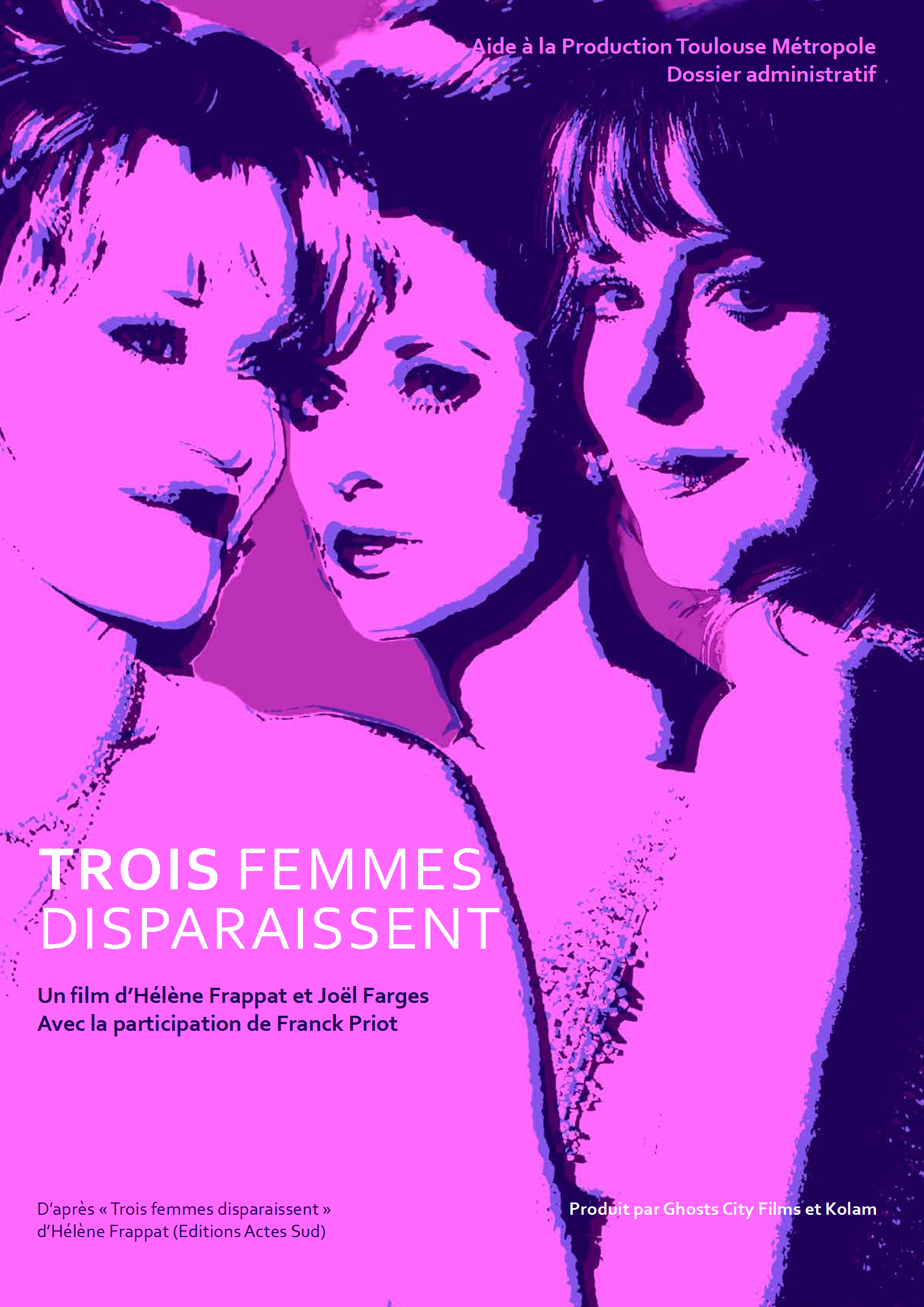
Three Women: A Parallel Hollywood Story, by Hélène Frappat and Joël Farges
Once upon a time there was three generations of Hollywood actresses—Tippi Hedren, her daughter Melanie Griffith, and granddaughter Dakota Johnson—. From the Fifties to nowadays, from real bird attacks to big cats, from masterpieces to flops, from Hitchcock, De Palma to modern blockbusters, our film explores a parallel history of Hollywood, through the unique and feminist lens of three generations of female stars from the same family.
Three Women: A Parallel Hollywood Story will be broadcasted on Ciné+, the leading French tv channel for hardcore cinephiles and movie history lovers.
Produced with the support of CNC, Occitanie region and Toulouse Metropole
A Family History
Nathalie Kay “Tippi” Hedren was born in 1930 in Minnesota and was a successful model when discovered by Alfred Hitchcock in 1961. Cast as the lead in The Birds (1963), she endured grueling conditions, including real bird attacks. Her next role in Marnie (1964) exposed her to further trauma as Hitchcock sexually harassed her and sabotaged her career after she rejected his advances.
Her daughter, Melanie Griffith, was born in 1957 and began acting as a teenager in Roar, a family project about humans living with big cats. The shoot was notoriously dangerous—Melanie suffered serious injuries. The film led to the founding of Shambala, a unique wildlife sanctuary managed by Hedren. Melanie’s breakthrough came in Body Double (1984), directed by Brian De Palma. Though the film was a commercial flop, it was praised by French critics for its Hitchcockian style. Melanie enjoyed decades of success in Hollywood before shifting to TV and stage roles, moving away from her initial "blonde sex symbol" image.
Melanie’s daughter Dakota Johnson was born in 1989 and raised in a blended Hollywood family. At 26, she becomes a star with Fifty Shades of Grey (2015), a massive box-office hit. Her submissive role in the film echoed the unsettling contract her grandmother once signed with Hitchcock.. Very active, she was this year ago starring in critics-proof Materialists by Celine Song.
And today, Tippi Hedren still oversees Shambala, continuing her legacy of wildlife advocacy.
Yoko de Montmartre
Feature documentary (52’–90’)
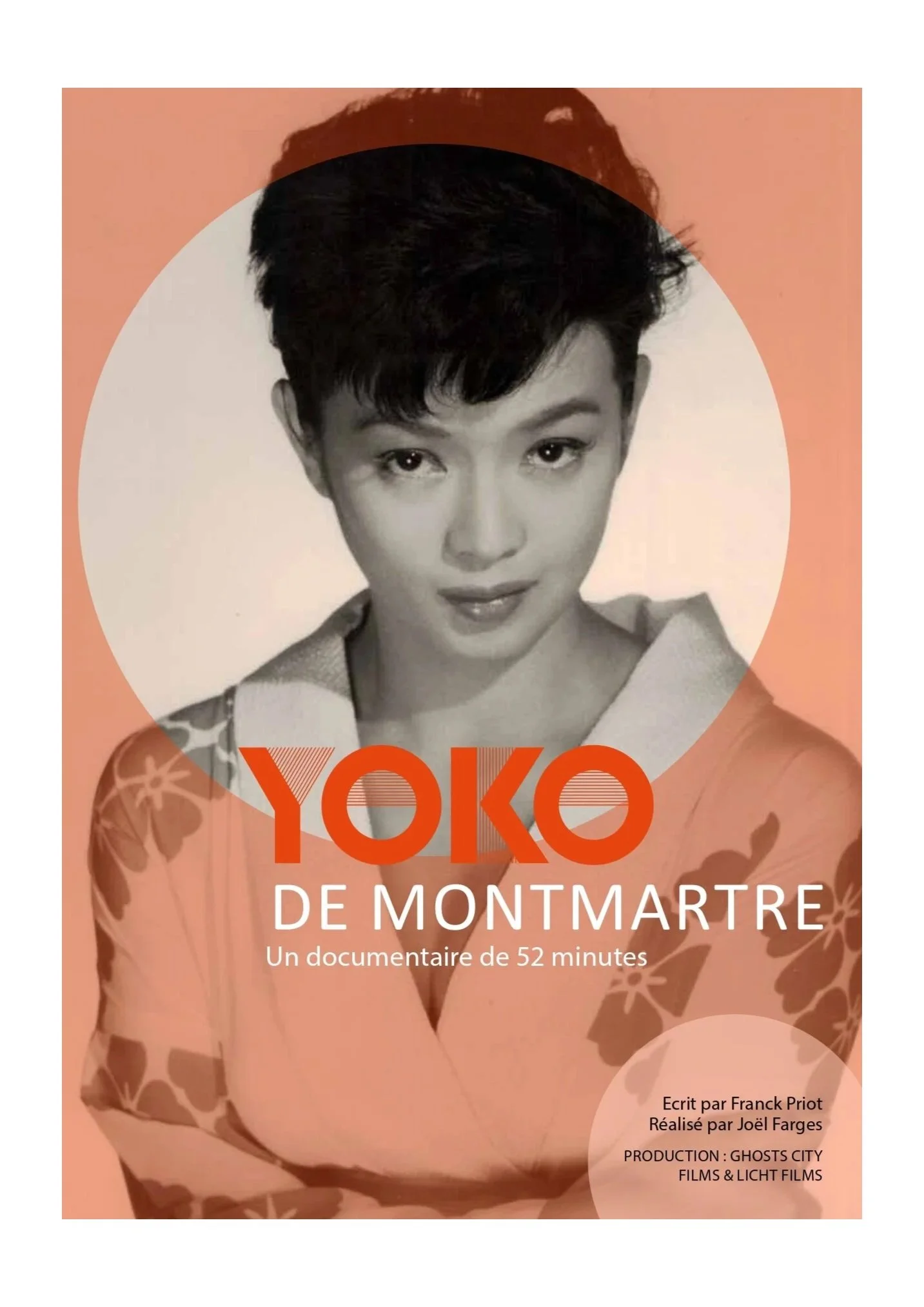
Written and produced by Franck Priot, in collaboration with Hiromi Kimura, directed by Joël Farges.
Yoko de Montmartre retraces the extraordinary yet forgotten journey of Yoko Tani, a Japanese woman who, in the 1950s and 1960s, became the first Asian-born star of French and European cinema. A dancer and actress on both screen and stage, and the daughter of a Japanese feminist who died at a young age, Yoko introduced and embodied in France a new form of feminine beauty and glamour: the Asian woman.
IN FINANCING
Supported by: CNC – Images de la Diversité (writing grant and development support), Région Occitanie (development support), and the Franco-Japanese Sasakawa Foundation.
Synopsis:
Arriving in Paris at the age of 22 in 1950 to escape marriage, social pressure on her independence, and perhaps even the Japanese mafia, this survivor of the Tokyo bombings became a dancer and actress. She went on to become the first Asian woman to seduce Western leading men on screen, in interracial love stories that challenged the conventions of the time, notably gaining recognition at Cannes in 1960 with The Savage Innocents by Nicholas Ray. Her career then took off, leading her to appear in around fifty films and series.
Yoko captivated Western audiences with her style and beauty, first revealed at the Crazy Horse, and helped shift Europe’s perception from the “Yellow Peril” to “Yellow Fever,” expanding the boundaries of glamour.
The astonishing and largely forgotten path of this “Asian Josephine Baker” also represents the posthumous triumph of her feminist mother, whose tragic fate unfolded in wartime Japan. As our research for this documentary has uncovered, Yoko’s mother, Taeko, was a remarkably free-thinking and intelligent feminist writer, though she too has been forgotten. Her book For Young Women Who Move Forward, written shortly before her death during the war, became a kind of testament for her daughter. Its lessons on womanhood enabled Yoko to achieve the improbable: a successful career in a European entertainment industry that was, at the time, deeply (and often unconsciously) racist.